Notes / Conversion Works
What should a high-ticket product page explain before Black Friday?
What higher-priced product pages should explain before Black Friday, with A/B-test evidence on clarity, accordions, mobile behavior, and risk.
By Edu Rigonato. Published Sep 10, 2026. 10 min read.
Right now, most BFCM planning starts with the offer. What is the discount? Where should we show it? How large should the sale message be?
I understand why. The offer is the obvious part of Black Friday and Cyber Monday. The problem is that a bigger discount does not automatically make a higher-priced product easier to buy. The customer still has to understand what they are getting, which option is right for them, how the product fits into their life, and what happens after they place the order.
What I’m getting at is that urgency can move someone toward a decision, but it cannot make the decision for them.
We saw that in one test it was reported that more completed orders come after the product page made its main features easier to understand. A later version hid information in tabs and lost. Another accordion test performed better on desktop while hurting mobile and the overall result.
So I don’t think the useful question is, “Should we add more content before BFCM?” The better question is, “What does the customer still need to understand before they can confidently buy this product?”
What should a high-ticket product page explain before Black Friday?
I would start by looking at six questions. If the page cannot answer these clearly, the customer is being asked to fill in the gaps themselves.
<strong>What exactly am I buying?</strong> The model, variant, configuration, included components, and the meaningful differences between this option and the next one. <strong>Will it work for me?</strong> Fit, dimensions, compatibility, use case, limitations, installation, maintenance, or anything else that determines whether this is the right product. <strong>Why is it worth this price?</strong> The actual benefits, materials, performance, service, or ownership value that justify the price and separate the product from other options. <strong>What will I pay altogether?</strong> The product price, the real promotional terms, shipping or setup costs, optional extras, and the total payable when financing is offered. <strong>When and how will it arrive?</strong> Stock status, dispatch and delivery estimates, oversize or room-of-choice service, and anything the customer needs to prepare. <strong>What happens if it is wrong for me?</strong> The return window, condition requirements, return costs, exclusions, warranty, repairs, replacement parts, and support process.
Frequently asked questions
How do we know what customers are missing from the product page?
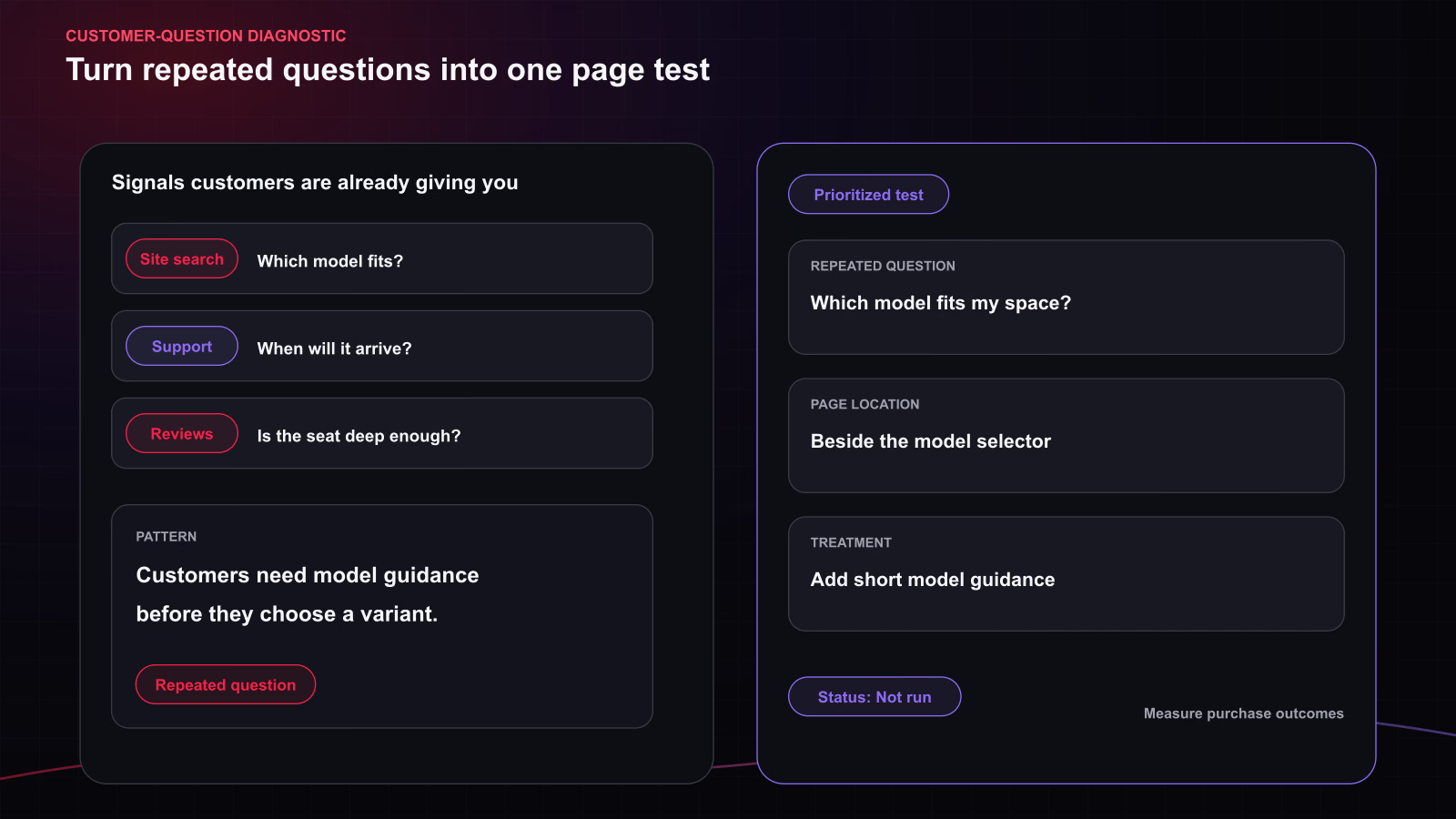
Start with the questions customers are already giving you. Review on-site search, support tickets, reviews, return reasons, surveys, session recordings, and sales conversations. If the same question keeps showing up, check whether the answer is missing, too vague, or too far away from the point where customers have to choose.
What should we test first before BFCM?
Choose one higher-consideration product with enough traffic and one repeated customer question. Then test the smallest meaningful change that answers it. That could be clearer model guidance, a better demonstration, more visible delivery information, or a short and accurate return summary. Use completed orders or revenue per visitor as the primary measure.
Should important product information use accordions?
It can, but I would not assume an accordion is better simply because it makes the page look shorter. Test the pattern with the real content, devices, and traffic mix. Keep the overall result visible, and do not turn one positive device segment into an overall win.
Should financing appear near Add to Cart?
If financing materially changes affordability, it makes sense to show it near the product decision. We still need to keep the full price and actual terms understandable. The installment should not hide total payable, fees, timing, or eligibility.
How early should we test before Black Friday?
Start early enough to collect a representative sample, diagnose unexpected behavior, and implement the result before promotional traffic changes the audience. The exact timing depends on store volume and implementation complexity. There is no evidence-backed universal number of weeks.
Explore Conversion Works