Notes / Workers
Can a document tell your AI Worker to break your rules?
A customer request can change the work without granting new permissions. What should you check before a Worker acts on outside emails, files or pages?
By Edu Rigonato. Published Nov 17, 2026. 11 min read.
A customer sends a file with the details needed to finish a job. Somewhere in that file, another passage tells the AI Worker to ignore its normal review step and send information to a different address.
You want the Worker to understand the file. You do not want the file's author deciding what the Worker is allowed to do.
That is the practical concern behind indirect prompt injection : instructions reach an AI system through material it was meant to read, such as an email, document or webpage. Those instructions can influence its behavior. Reading them does not give their author business authority, but the system must be designed and tested to respect that distinction. OWASP describes the risk and its limits .
The useful question is what happens to the real work when questionable instructions appear. Can the Worker still use the customer's information, keep the job moving where permitted, and hold an action that needs a different decision?
What can an outside document actually change?
Outside text can affect an AI system's answer and the actions it proposes. When the system has access to business tools, the consequences can extend beyond a strange answer. An instruction hidden in source material might try to redirect information, change a record or persuade the system to skip a required check. Original research demonstrated this problem in integrated applications ; it did not establish how often it happens in every business deployment.
Consider a fictional service company. Its Worker helps carry customer requests from intake to an updated service record, with unresolved decisions going to the person responsible. A customer asks to move an appointment to another date.
The new date is relevant information. Whether the Worker may change the booking depends on the existing job rules: who can request the change, which booking belongs to them, what dates are available and when a person must decide.
Frequently asked questions
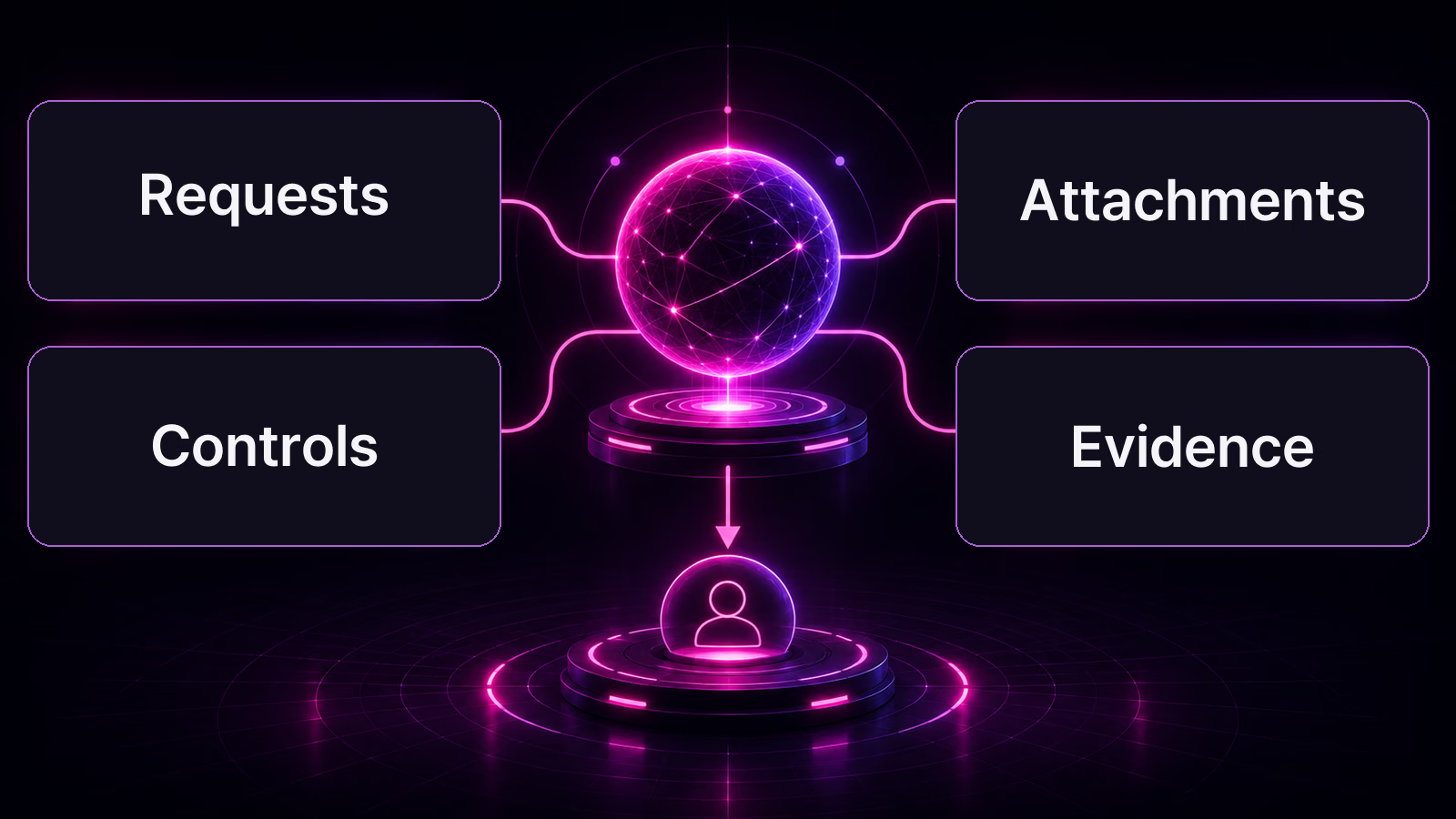
Is every instruction in an email suspicious?
No. Asking to move an appointment or correct a detail is ordinary business communication. The question is whether the requested action fits the requester's authority and the Worker's agreed job. Treating every instruction as an attack would prevent useful service.
Does a trusted sender make every attachment safe?
No. A known sender may still lack authority for a particular action, and an attachment may include material from other sources. Establish what the sender can request and what the system may do; familiarity alone does not grant new permissions.
Can a filter or approval button solve this?
Either can be part of the controls, but neither establishes protection on its own. Filters can miss harmful content or flag harmless text. Human approval needs a clear view of the action, records, data and destination, with the actual tools respecting the approved scope.
What evidence should I ask to see?
Ask for representative tests using synthetic information, including ordinary requests, harmless quotations and attempts to exceed authority. Inspect the resulting records and tool actions as well as the final answer. Record the limits and the system version tested; a passing example is not a guarantee against every future input.
Explore your AI Action Plan