Notes / Workers
What counts as one AI worker’s job?
A Worker’s job can span several workflows. Learn how to define its responsibilities, completion criteria, authority and capacity through an illustrative billing-reconciliation role.
By Edu Rigonato. Published Oct 21, 2026. 12 min read.
An invoice arrives, but the billing work is far from finished. Someone needs to check the period, locate the records it should be compared with, investigate differences and decide what needs correcting. A spreadsheet may hold part of the answer. Another system may explain a change. A colleague may need to resolve an exception before the cycle can close.
For an insurance or healthcare business, that sequence raises a useful question: if an AI Worker helps with this operation, is each step a separate job?
At Workers, we start with the responsibility you want to hand over and the result you expect. We sometimes call this operational AI: a Worker with a defined role, expectations, tools, responsibilities and someone to report to. Its job can involve several workflows, ongoing follow-through and judgment within agreed rules.
“AI worker” is not a universally standardized unit. A provider’s definition matters. Here is how we approach it—and how you can make the scope concrete enough to discuss.
What makes several workflows one AI worker’s job?
Related workflows can belong to one Worker when they contribute to the same operational responsibility. The useful boundary is the job’s purpose and expected result, together with its authority and capacity.
Consider a proposed Benefits Billing Reconciliation Coordinator . Its responsibility would be to prepare a supported reconciliation of carrier invoices against authorized business records, investigate differences and present the work for review. Collecting files, checking inputs, matching records and gathering evidence would be parts of that job.
Each part might contain its own workflow. An unreadable file needs a different response from a duplicate record. A missing adjustment requires a different investigation from an invoice for the wrong period. The Worker would need rules and context for these situations, plus a way to hand unresolved issues to its reviewer.
Frequently asked questions
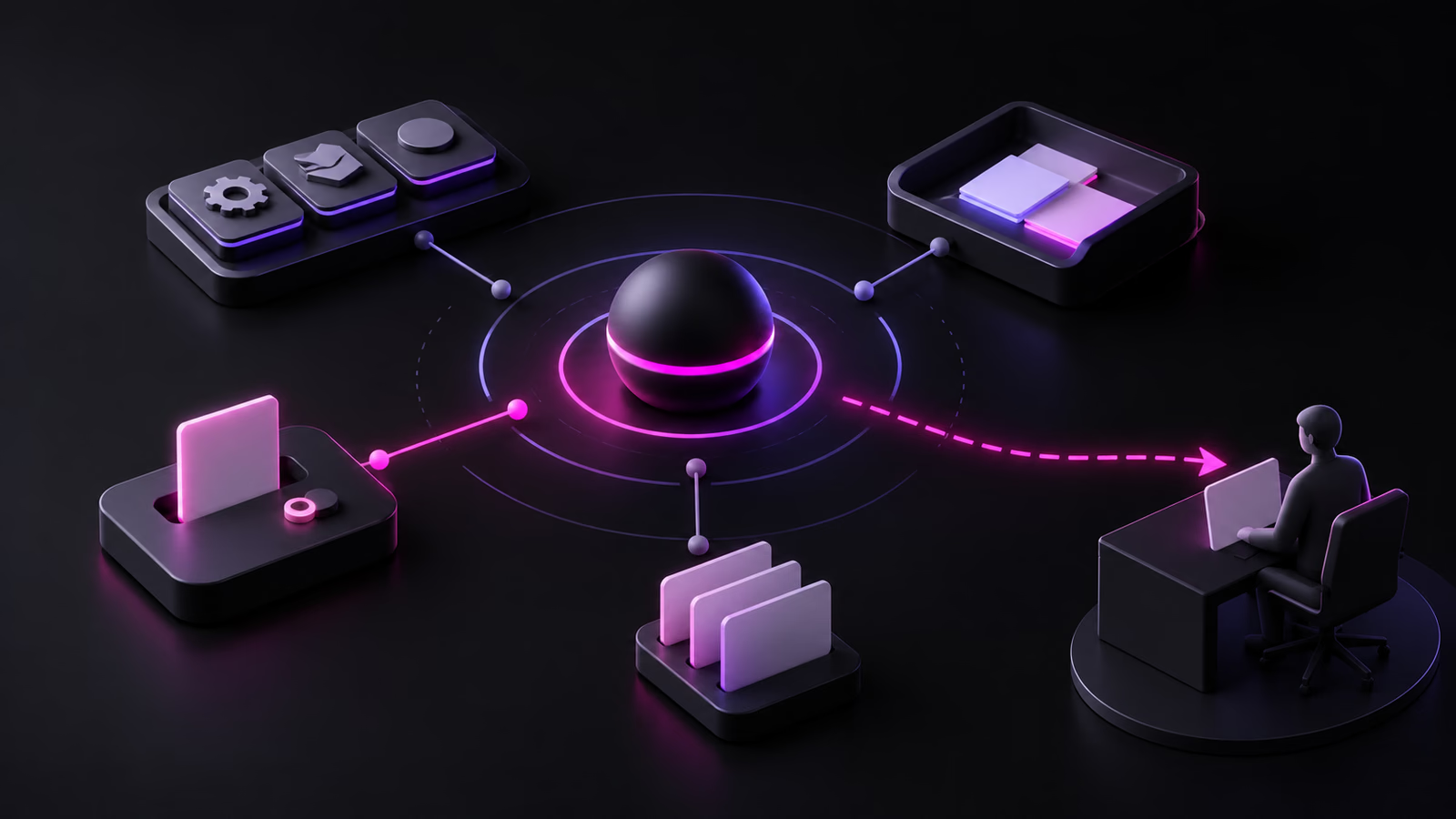
Can one AI Worker use several systems?
Yes, a Worker’s agreed job can span several systems. The actual tools, available connections, permissions and permitted actions need to be assessed for that job. A cross-system scope is not a promise that every application or operation is supported.
Are AI Workers limited to back-office work?
No. Workers can be scoped for related operational responsibilities that support customer-facing work as well as internal administration. For example, gathering approved onboarding information and preparing a handover could form a candidate role. Customer communications and commitments still need explicit authority; the job title does not grant it.
Does every action need a person’s approval?
The approval model is agreed for the job. We recommend clear checkpoints at the start, especially for consequential actions. Clients can delegate suitable actions under defined rules, while retaining review or manual control where they want it. Required obligations and access controls still apply.
Does more volume always mean a different job?
No. More volume can require additional capacity for the same job. A different responsibility is a separate scope question. Expected volume, complexity and the review process should be agreed before work begins; there is no single workload allowance that fits every Worker.
Evidence note: This article explains Workers’ intended scoping approach and uses an illustrative benefits-billing example. Public technical and risk-management sources are linked where they inform the explanation. The example is not evidence of a completed deployment, measured savings or regulatory compliance. Actual system access, data handling, controls and service terms require assessment for the proposed job.
Explore AI for your business