Notes / Workers
Your customer got a reply. Who makes sure the problem is resolved?
An owner’s guide to carrying an agreed repair or replacement through the work that still needs to happen.
By Edu Rigonato. Published Nov 9, 2026. 11 min read.
Your team has told a customer you will replace a faulty appliance. The email is polite, the customer has the case number, and someone has marked the request as handled.
Then the replacement turns out to be unavailable. The supplier offers a different model. The customer needs it before the weekend. Your colleague forwards the thread to you with a question: “What should we do?”
Consider this a fictional example, but a useful one to examine. The original reply created a promise with several pieces of work behind it. If you still have to discover which piece is waiting, find the person who can move it and check whether the customer received the agreed fix, you are still carrying the case.
That responsibility can be defined and handed over. Someone can keep the case moving, retain its history and establish what happened without personally performing every repair or making every commercial decision. Whether a person, your existing systems or a managed AI Worker should carry that coordination depends on the job you actually have.
What is still open after you tell a customer you will fix it?
Start with the promise. A customer might have agreed to a replacement of the same model, a technician’s return visit or an inspection before you decide what to offer. Those are different commitments. Each leaves different work outstanding.
For the replacement, someone may need to confirm availability, arrange collection, establish the delivery details and find out whether the new unit arrived. For a return visit, someone needs to coordinate access, tell the technician what happened last time and obtain the result. An inspection may end with a decision still needed from you.
This is recognizable customer-service work. O*NET’s description of customer service representatives includes keeping records of interactions, checking that appropriate changes resolved customers’ problems and referring unresolved grievances for further investigation. Answering and following through sit within the same human occupation.
Frequently asked questions
Can a Worker decide whether a customer gets a refund or replacement?
That authority would need to be explicitly agreed and appropriate to the job. It should never be inferred from access to customer messages. This article concerns carrying an agreed remedy through; disputed eligibility, changed terms and exceptions go to the authorized person.
What if the supplier or technician does not respond?
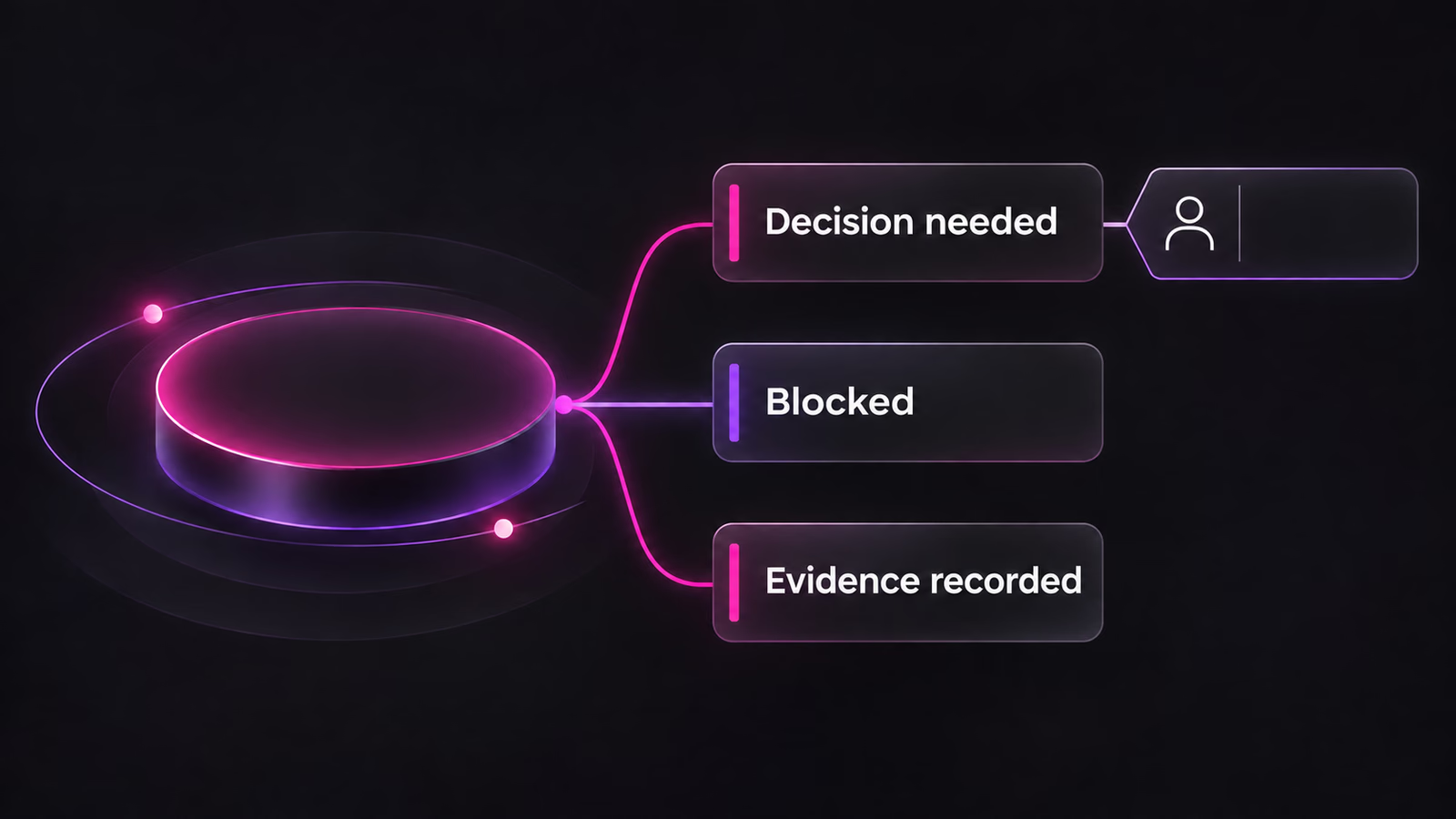
The coordinator should retain the outstanding obligation, follow the agreed escalation policy and make the blockage visible. It cannot invent an update or guarantee another party will act. A blocked case needs an honest status and a person responsible for the next decision.
Does the customer always have to confirm before a case can close?
Your completion and no-response policies need to be defined for the particular service. Customer confirmation can be useful evidence, but an unanswered message cannot be treated as confirmation. If the business closes follow-up without it, record that reason and the evidence available.
Is an Action Plan useful if we have not decided to use a Worker?
Yes. The useful starting point is the responsibility and what makes it difficult. An assessment can identify a process change, an improvement to software you already have or a human role as the better answer. A Worker should remain one option to examine.
Evidence note: This article draws on a US occupational profile, public complaint-management guidance, software documentation and qualitative operator discussions. Public-service guidance is used for operating principles, not as US warranty advice. The examples are fictional. This evidence does not establish that a particular AI implementation will save time or improve customer outcomes.
Explore Your AI Action Plan