Notes / Workers
Will an AI Worker flood your team with questions?
Handing over work should not leave you chasing a new inbox of questions. What should happen before the Worker asks—and after you answer?
By Edu Rigonato. Published Nov 13, 2026. 12 min read.
You hand over a recurring job, then spend the morning answering messages about it. One item needs a missing detail. Another needs the same detail. A third asks whether the answer you just gave applies to that item too.
The concern is reasonable: will handing over the work leave you with another job supervising the questions?
Some questions belong with you. Your judgment may be needed to change a commitment, resolve conflicting information or decide something outside the Worker's authority. You should receive a clear question with the available facts already checked. The Worker should keep track of the work waiting on your answer and carry out the permitted next steps afterward.
That working relationship needs to be designed and tested. You should be able to inspect it before accepting a promise that the Worker will save you time.
Why can fewer messages still leave you with more work?
Imagine an operations Worker coordinating routine equipment-service visits. It helps carry the work from a requested visit through the agreed checks that establish whether the visit happened. This is an illustrative example, not a Taurist client result.
Three visits at the same building need an access instruction. If each visit produces a separate request, you may open the same background information three times. If all three disappear into a weekly digest, however, a visit due tomorrow could sit unnoticed.
Both arrangements can leave you carrying the coordination.
Frequently asked questions
Can the Worker learn from one answer?
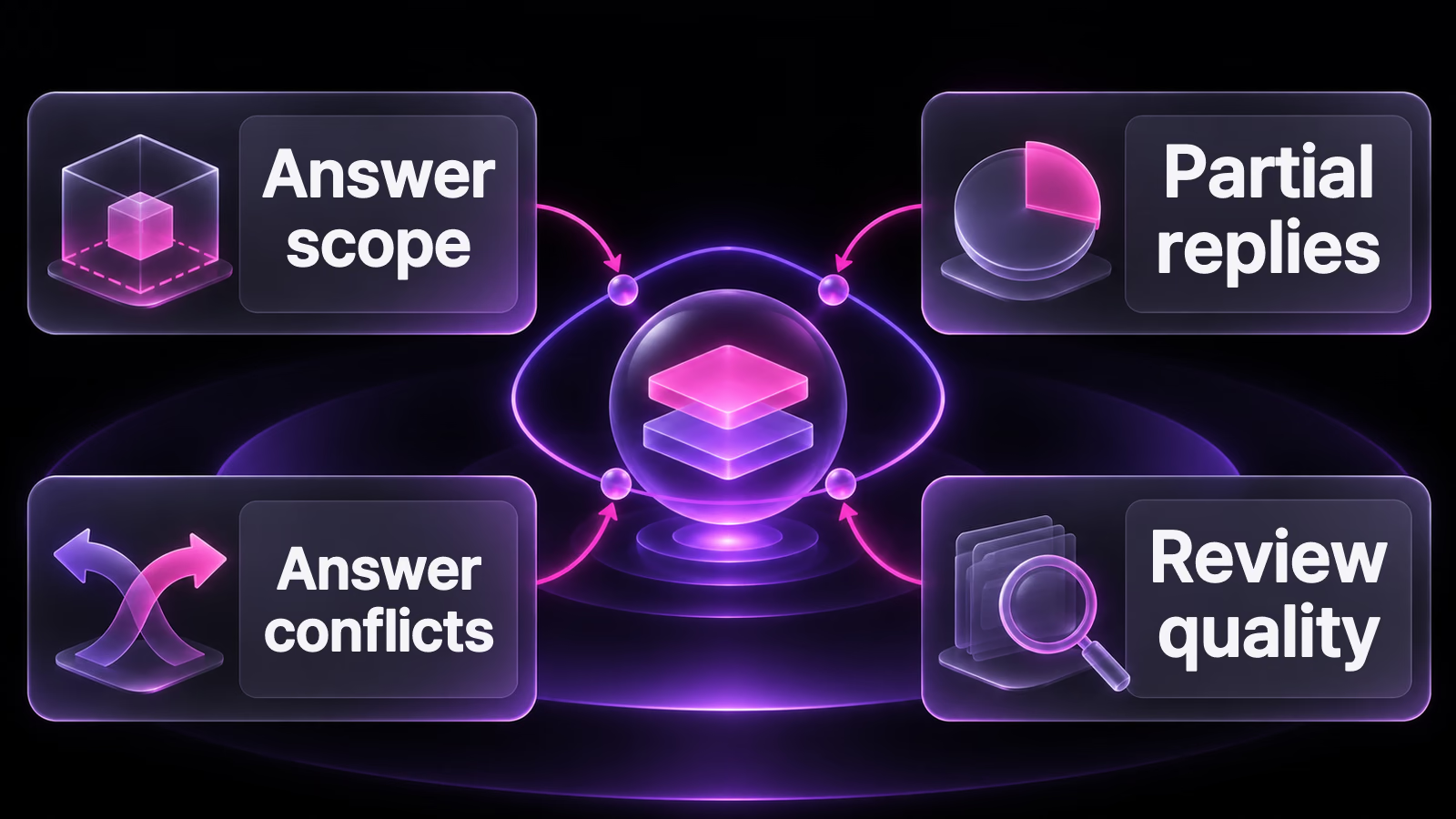
An answer can be recorded for the work it covers. Reusing it elsewhere depends on its scope, how long it remains valid and the business's approved rules. A one-time answer should not silently become a standing instruction. Ask how proposed rule changes are reviewed and tested.
What if the reviewer only answers part of a grouped request?
Keep the answered and unanswered parts separately visible. Apply the answer only to the items it covers, check what can proceed within existing authority and retain the remaining questions. The whole group should not be marked resolved because one part received a reply.
Can more than one person answer the same question?
Several people may contribute information, but the job needs a clear way to identify the governing answer. If replies conflict, retain that disagreement and bring it to the person with authority to resolve it. The latest message is not automatically the applicable decision.
Do fewer human review steps mean the Worker is improving?
Only if the work still meets its agreed requirements and the total burden improves on comparable cases. Fewer checks can hide missed questions or move correction work elsewhere. Any change to decision authority needs its own review; a lower notification count does not authorize it.
Evidence note: This article draws on human-interruption research, public discussions about agent review and official guidance on oversight and paused work. The studies do not test this proposed operating design or establish a productivity result for Workers. The service-visit scenario is illustrative. The arrangement described here must be scoped and tested for the actual job.
Explore your AI Action Plan