Notes / Workers
What makes a contents inventory ready for pricing?
Define who owns contents inventory preparation, how to handle revisions and missing details, and what makes the handoff ready for the pricing specialist.
By Edu Rigonato. Published Nov 6, 2026. 10 min read.
A contents list arrives, someone gets it into the estimating system, and the import finishes without an error. Then the next person opens it and asks which version they are looking at, whether a quantity changed, and where an item's age came from.
The file has moved forward. Someone still has to answer those questions.
For the person running a contents team, that is a responsibility worth defining. Who takes the material you receive and carries it through to an inventory the pricing specialist can use? Where does that person's authority end? What happens when the source does not contain an answer?
An inventory is ready for its next stage when the designated recipient can use the agreed output and understand the checks, sources and exceptions behind it. That can include a documented unknown the recipient has agreed to handle. It does not mean every cell contains a value.
What job does the inventory-preparation owner need to finish?
Start with the person receiving the work. They need to know what each included item represents, which submission it came from, and what still needs their attention. The preparation owner's job runs from receiving the source material through getting that handoff accepted.
This is more than a hypothetical administrative role. O*NET's description of insurance claims and policy processing clerks includes checking documents for completeness and obtaining missing information. The exact division of work varies by team, but entering information and establishing that it is usable are both recognizable responsibilities.
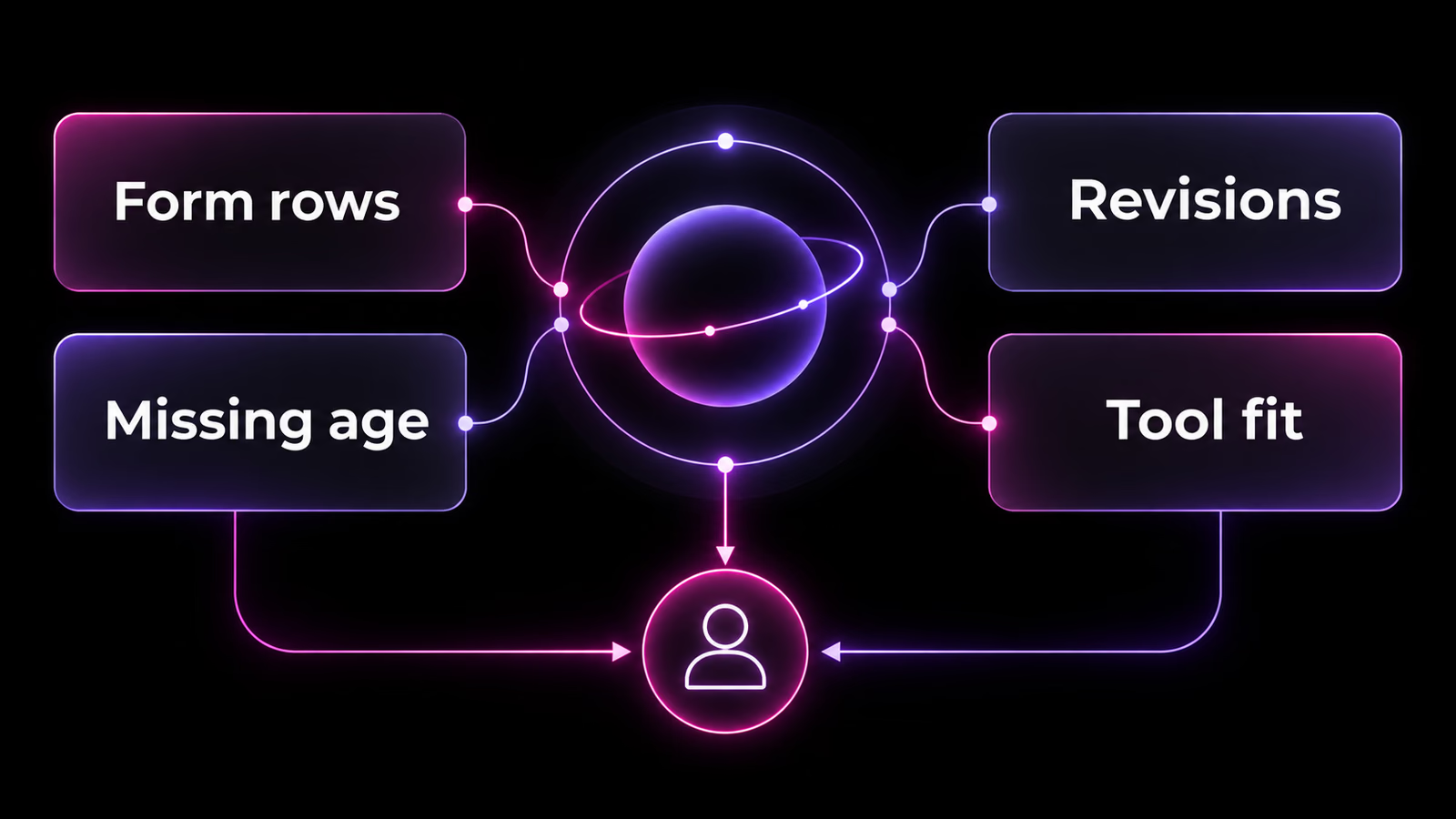
Consider a fictional assignment. A household form suggests a floor lamp, but the policyholder has not marked it as an item they are claiming. The submitted list also records four dining chairs without an age. A revised list then shows six chairs. The preparation owner needs to establish what belongs in the inventory, what changed and what still needs an answer.
Frequently asked questions
Is every suggested row on a contents form a claimed item?
No. Follow that form's instructions and establish what the policyholder has actually asserted. Do not infer a universal meaning from a blank cell or an unmarked row.
Can an inventory move to pricing with an item's age missing?
That depends on the receiving specialist's requirements. The gap needs to remain visible, with a recorded decision to resolve it, hold the item or accept the uncertainty for further handling.
What if a revised list repeats an item already entered?
Preserve both sources and ask what the changed entry means. Six chairs on a revised list might replace an earlier total of four; importing both as additions would be wrong in that case. If the versions disagree and no authorized answer settles it, keep the match open for review.
Does an import template remove the need for an AI Worker?
It may solve the team's need. Assess what recurring responsibility remains after the import and whether a clearer owner or specialist is sufficient.
Explore Workers