Assess the questions your AI Worker brings back to you
Use one recurring job and a few unanswered questions to examine how review would work. Identify what can share an answer, what needs a separate decision and what cannot wait. Then define how you will check that the answer reached the right work.
This is a planning exercise. It does not approve automation, change anyone’s permissions or prove that a Worker can perform the job.
Start the assessment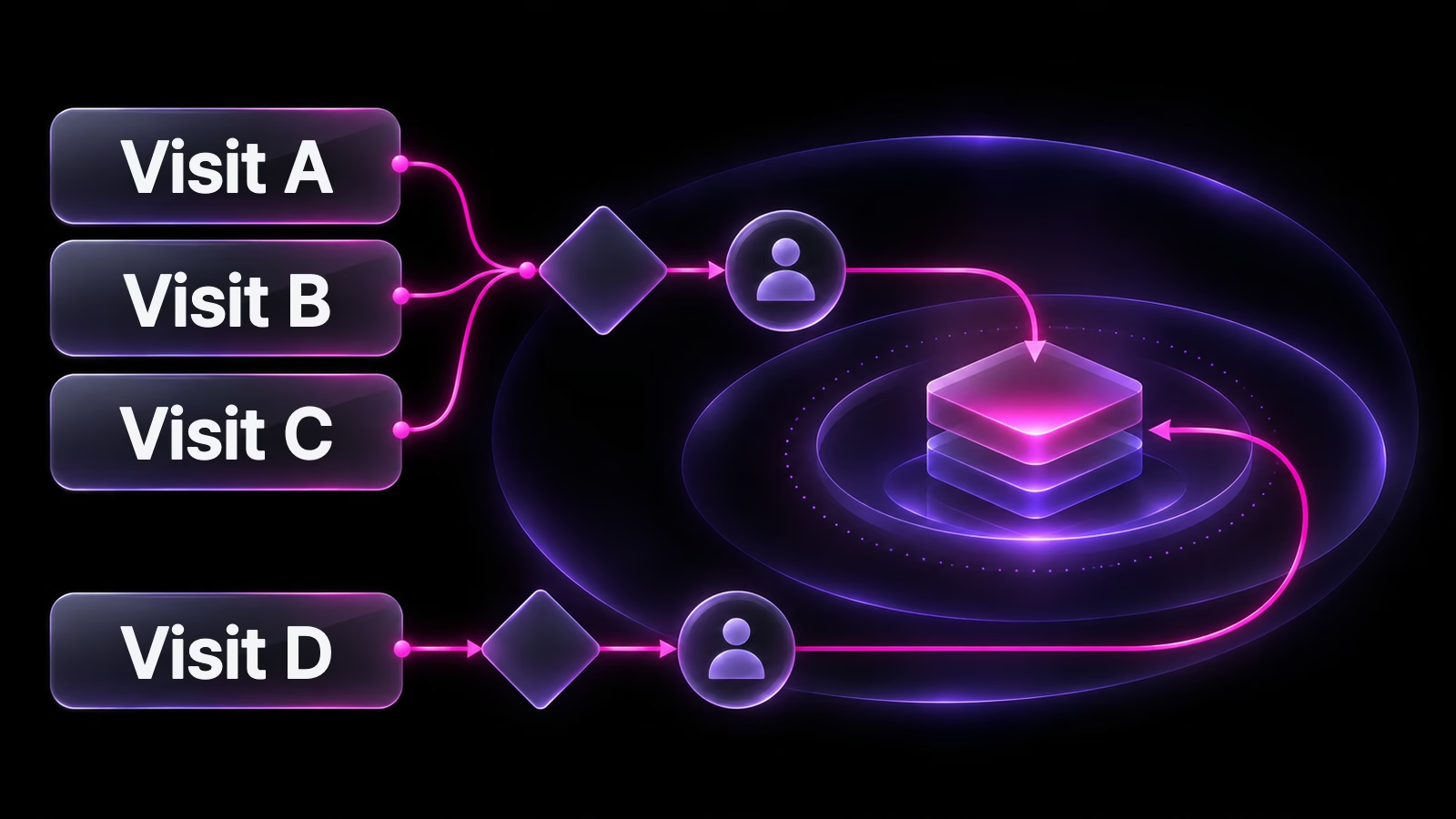
Choose one job and the work that is waiting
Pick a job with an outcome you can check, such as coordinating routine service visits. Include the work before and after a question arises; preparing a list of questions is only one part of the responsibility.
Work through the prompts with the person responsible for the job and the person who would review its questions. Keep your answers in your existing records. Keep sensitive details in the systems your business already permits; use anonymized examples when sharing the assessment.
Job and intended outcome
What is the responsibility, and what evidence would establish that the job is finished?
People and available context
Who currently owns the outcome? Who can supply information or make the relevant decisions? Which authorized records or tools contain the facts?
Waiting work
Give each representative item a short reference. Record its current state, the missing fact or decision and the consequence of waiting. Keep unknown details marked unknown.
Start with a small set you can inspect together. You are looking for an arrangement that fits the work, rather than a high score or a predetermined recommendation to use AI.
Separate shared questions from separate decisions
For each possible group, ask whether one answer really would apply to every included item. Similar wording or the same recipient is not enough.
Record:
- The shared unknown: the specific fact or decision the items have in common.
- Included items: the references that depend on that answer.
- Excluded items: similar-looking work that has different facts, commitments, permissions or deadlines.
- The right person: who can supply the information, and who has authority if a decision is required.
- Evidence to inspect: the current records needed to answer responsibly.
You can show several separate questions in one review view while keeping an answer and status for each. That can make the work easier to find without treating one reply as permission for everything.
If the main difficulty is deciding which actions require approval, use the existing AI Worker approval-levels guide. This assessment examines how the resulting questions and affected items would be handled.
Decide what can wait and who will see it
Choose the review timing from the real consequence of delay. A routine question may wait for an agreed review point. A decision tied to an earlier cutoff needs a route that reaches an authorized person sooner.
For each question or group, record:
- The actual deadline or next review point, and what happens if it is missed.
- The condition that calls for earlier attention.
- The person expected to respond and the agreed route if that person is unavailable.
- Work that can continue independently within existing authority.
- The dependent action that must remain held.
An unanswered request stays unanswered. A reminder, a quiet inbox or an elapsed timer does not create approval. If nobody available can make the decision, record that limit and identify who directs the next step. The owner-coverage Note explains how to plan that coverage.
Work through one answer with different outcomes
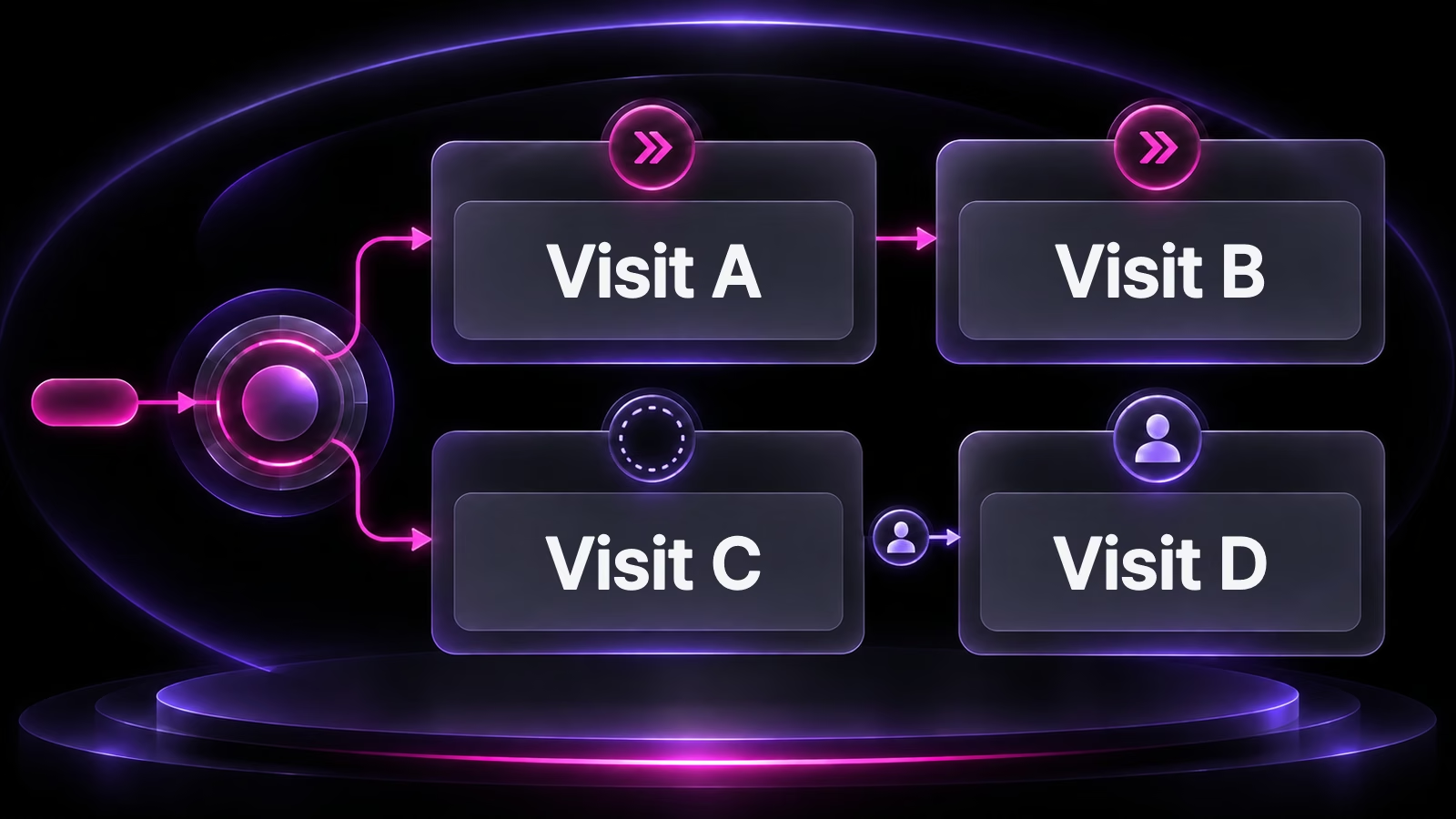
The following service-visit example is illustrative. It does not describe a Taurist client, implemented Worker or measured result.
Three routine visits at one building need the current entrance instruction. Visit C also lacks a room number. Visit D is an after-hours request that needs separate permission.
Shared question: Which entrance instruction applies to routine visits at this building this week?
Illustrative answer: Use the north entrance for these routine visits this week.
| Item | Before the answer | What the answer covers | What still needs attention |
|---|---|---|---|
| Visit A | Entrance instruction missing | Entrance for this routine visit this week | Ready for the next permitted step; the visit has not been completed. |
| Visit B | Entrance instruction missing | Entrance for this routine visit this week | Ready for the next permitted step; the visit has not been completed. |
| Visit C | Entrance instruction and room number missing | Entrance only | Room number remains missing; check what can proceed without it. |
| Visit D | After-hours permission required | Nothing in this separate decision | Permission remains pending. If its cutoff comes before the next routine review, use the agreed earlier-attention route. |
The entrance question has an answer. The four visits have different states. Keep both facts visible.
Check answer scope and follow-through
For an actual answer, record the following beside the affected work:
Answer and scope: What was answered, which items it covers, who supplied or authorized it and how long it applies.
Current facts: What changed while the question was waiting? Does the answer still cover the work now in front of the team?
Next action: What may happen within existing authority, and who is responsible for it?
Result and remaining work: What evidence shows that the answer was applied? What is still open, and who owns the next decision?
Receiving a reply is different from completing the job. A one-time instruction is also different from a standing rule. If the answer suggests changing the Worker’s ongoing instructions, use the agreed change process; the decision-log resource addresses that separate assessment.
Test the arrangement before relying on it
Ask the team building the Worker to demonstrate the proposed behavior with dummy records. Use these four tests:
- Shared answer: Supply the entrance instruction and show which items receive it.
- Partial reply: Leave the room number unresolved and show that Visit C still needs attention.
- Urgent separate decision: Leave the after-hours request unanswered and show how its real cutoff remains visible outside routine review.
- Changed information: Change a visit’s relevant details while it is waiting. Show whether the earlier answer still applies or needs another decision.
For each test, inspect what proceeds, what remains open and where the team can see the result. A demonstration provides bounded evidence about those cases; it does not guarantee every future case will work.
Review the effort and choose the next step
Compare similar work before and after a proposed change. Include time spent gathering context, reviewing questions, correcting decisions and chasing unfinished items. Also examine waiting age, missed cutoffs and whether the job reached its agreed outcome.
Leave missing measurements unknown. Fewer messages alone does not establish an improvement, particularly if another person is now carrying the questions elsewhere.
Your completed assessment should leave you with:
- A defined job and a visible set of waiting items.
- Shared questions separated from item-specific decisions.
- Named reviewers, real timing constraints and permitted next actions.
- A way to inspect answer application and unresolved work.
- A short list of uncertainties to test before relying on the arrangement.
The next improvement could be a clearer source document, a required field, an existing task system, human coordination or a managed Worker. Bring the map and a few anonymized examples into an AI Action Plan conversation to examine which approach makes sense for your business.
Evidence and limits
Human-interruption research supports examining notification design, with results that depend on the setting. NIST’s AI Risk Management Framework supports explicit responsibilities and evaluation. OpenAI’s human-in-the-loop documentation illustrates scoped decisions and saved work. These sources inform this planning exercise; they do not validate the assessment or establish a Taurist capability or productivity result.
Frequently asked questions
Does filling this out approve a Worker for the job?
No. It helps identify questions, owners and checks. The actual job, tools, permissions, proposed implementation and evaluation still need review. Completing the exercise does not authorize live actions or expand access.
Can one answer cover every item in a group?
Only where the answer actually applies to those items and remains within the relevant authority. Keep different facts or decisions separate. A grouped review view can contain individually answered questions.
What if nobody can answer in time?
Keep the dependent action pending and follow the agreed escalation or human-takeover route. Record the deadline and consequence. Independent permitted work may continue, but silence does not authorize the held action.
Can we use our existing task system?
You can use existing records to perform this assessment. Whether the proposed operating arrangement can be implemented in a particular tool depends on its actual capabilities, access and configuration. This page does not establish support for any specific integration.
Bring one real job to your AI Action Plan
Use your assessment to explain the questions that still come back to you, the decisions your people must retain and the work that needs follow-through. Compare your options before choosing what to hand over.