Notes / Workers
How can an AI booking pilot be scoped?
A busy sales calendar can hide a bad booking pilot. Start with one kind of meeting and agree on who should get it, when it can happen, and who approves the invite.
By Edu Rigonato. Published Nov 24, 2026. 9 min read.
Your team has a full calendar by Friday. Then you read the meeting notes. Two prospects wanted help with an existing account and went straight to sales. Another booked with an hour’s notice and the rep had to take the call cold. The calendar looks busier. Has the pilot helped?
Scope the pilot around one kind of business meeting, such as an introductory call for an inbound sales inquiry. Give it one inbox and one team calendar. Agree on who should get a meeting, when staff can take it, and what the company must approve before a prospect hears from the pilot. Run those rules past the people who take the calls before letting the AI put appointments on a live calendar.
Which meetings should the pilot handle?
Pick a meeting that matters to the business and still takes effort to arrange. A good candidate might be the intro call your sales team puts together from an email thread: someone has to figure out what the prospect needs, find the right person to take the call, and trade times until both sides agree. If getting to an available time is already the only problem, start by looking at what your scheduling software can handle.
Take a fictional maintenance services firm that receives inbound inquiries about ongoing commercial service. Its sales team takes introductory calls for properties in its service area when the prospect can tell them which site needs help and roughly what work they need. The pilot can read those inquiries, check a maintained service-area list, and prepare the next step. Requests about an existing job go to the service team. Unclear locations or work outside the normal service list go to a named sales reviewer. The reviewer can follow up, route the request elsewhere, or close it with a reason.
Write down the facts that change the answer. A prospect might already have provided the site and the type of work in their first email. Another might say “our north location,” with no address in the account record. The right next step for the second prospect is a question or a handoff. A calendar slot does nothing to resolve where the job is.
Could a link and a form cover most of it? Calendly’s routing tools can show different outcomes based on form responses or supported lookups. That may do the job when your team can express the decision in a few reliable fields. If staff repeatedly read scattered context, clarify the request and coordinate several people, test whether an assistant can take on enough of that work to be useful. Microsoft Research’s Calendar.help project used structured steps for common requests and sent unusual email scheduling cases to a person. It offers a precedent for that design. Your team still has to test its own process.
What counts as a time your team would actually take?
Frequently asked questions
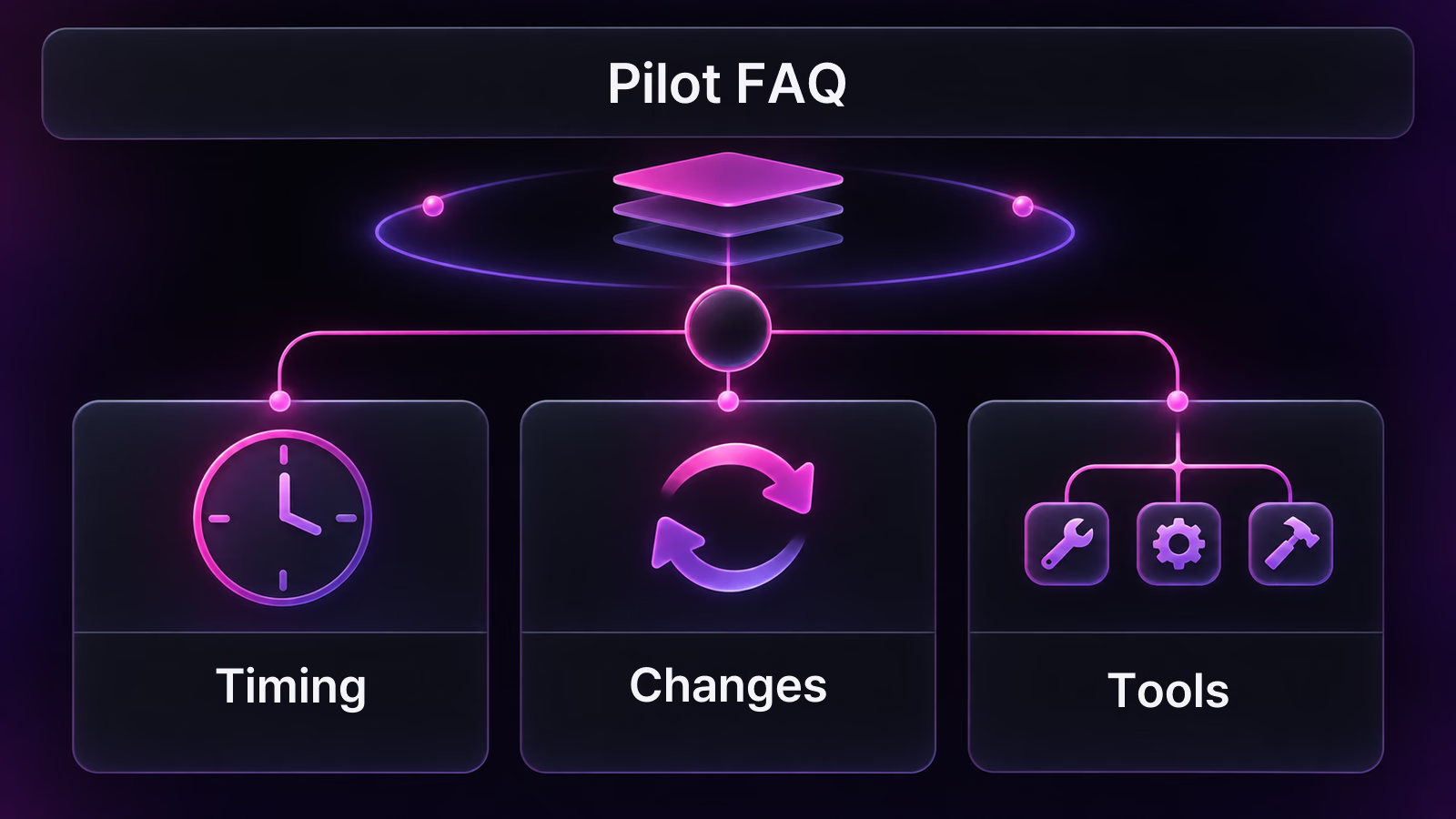
How long should a booking pilot run?
Set a review date and decide what evidence you want before then. If you’ve only seen straightforward requests, keep the current permissions while you test exceptions. A short pilot can still tell you whether a simple scheduling setup solves the biggest problem.
Should I include rescheduling and cancellations in the first pilot?
A new meeting can be enough for the first release. Tell people on the team who still handles changes and cancellations. If those changes account for most of the work, you can test that job in its own scope with clear rules about who can move an existing commitment.
Do we need a new CRM or calendar to run the pilot?
Start with the systems your team uses. Have their owners confirm which records are reliable, which actions the pilot can take and what the team can verify after it runs. If those tools cannot support the last step, the pilot can prepare the work and leave that step with staff while you test the rest.
How to scope an AI worker pilot
Explore the AI Action Plan